The people's watchdog.

People like you help decide
What we represent
The Australian Democrats is a political party for all Australians, and people like you steer the ship! Our members come from all walks of life, and have different perspectives. As an evidence-informed party, we encourage debate and the free exchange of ideas. We support a free, prosperous and democratic Australia that provides opportunity, rights and liberties for all.
What we reject
We don't take directions from lobbyists or answer to anyone but the Australian people. We're not chained by ideology, and will work in a collaborative, compassionate way to achieve the best outcomes for all Australians. What we'll never compromise on is our integrity, as our mission, after all, is to keep the bastards honest.
People like you change politics when they become a democrat.
Member Spotlight
<Current day>'s AusDem hero is <name> from <state>!!
| Name | State | Image |
| Sahar | Victoria | 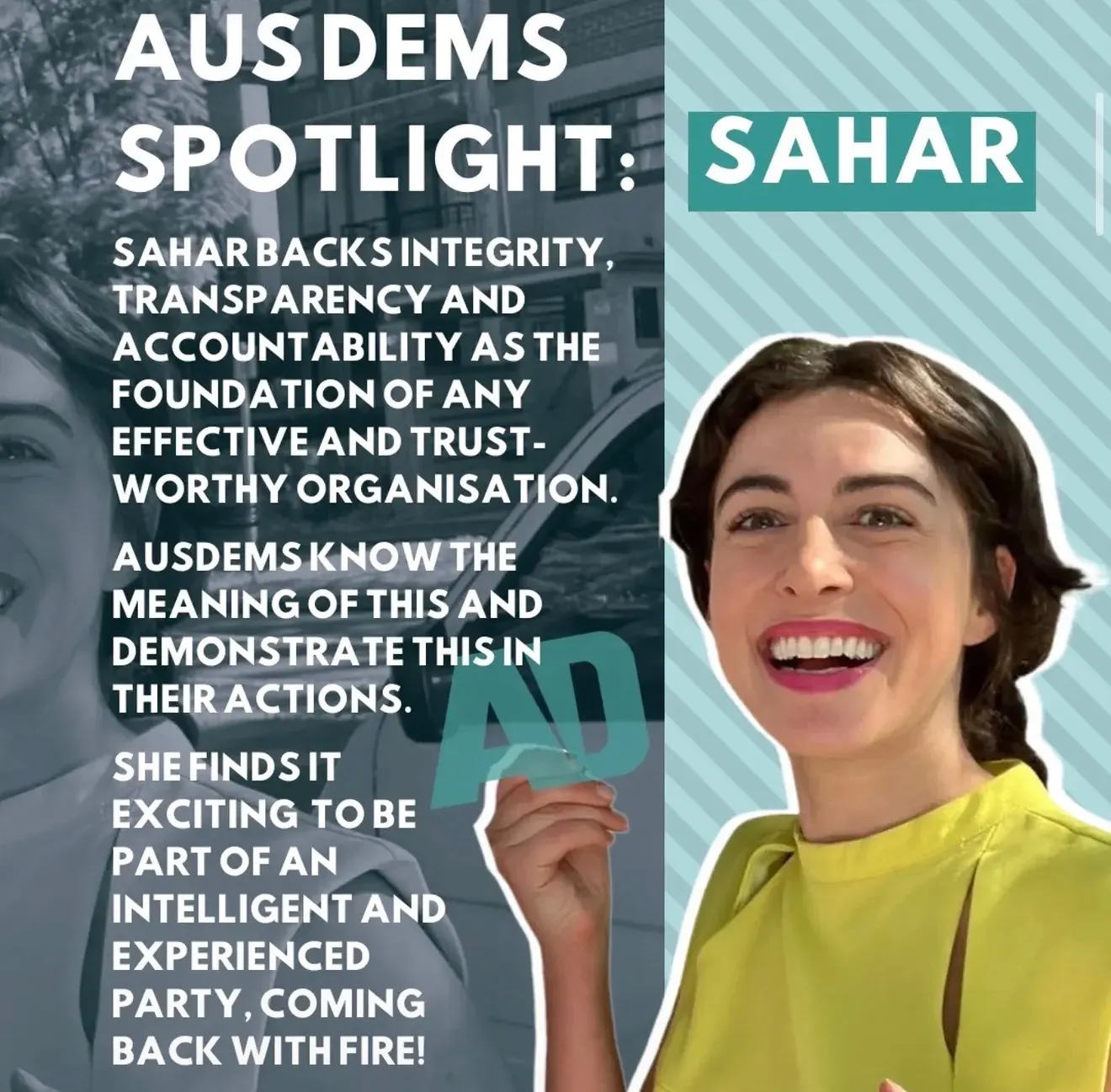 |
| Ben | Victoria | 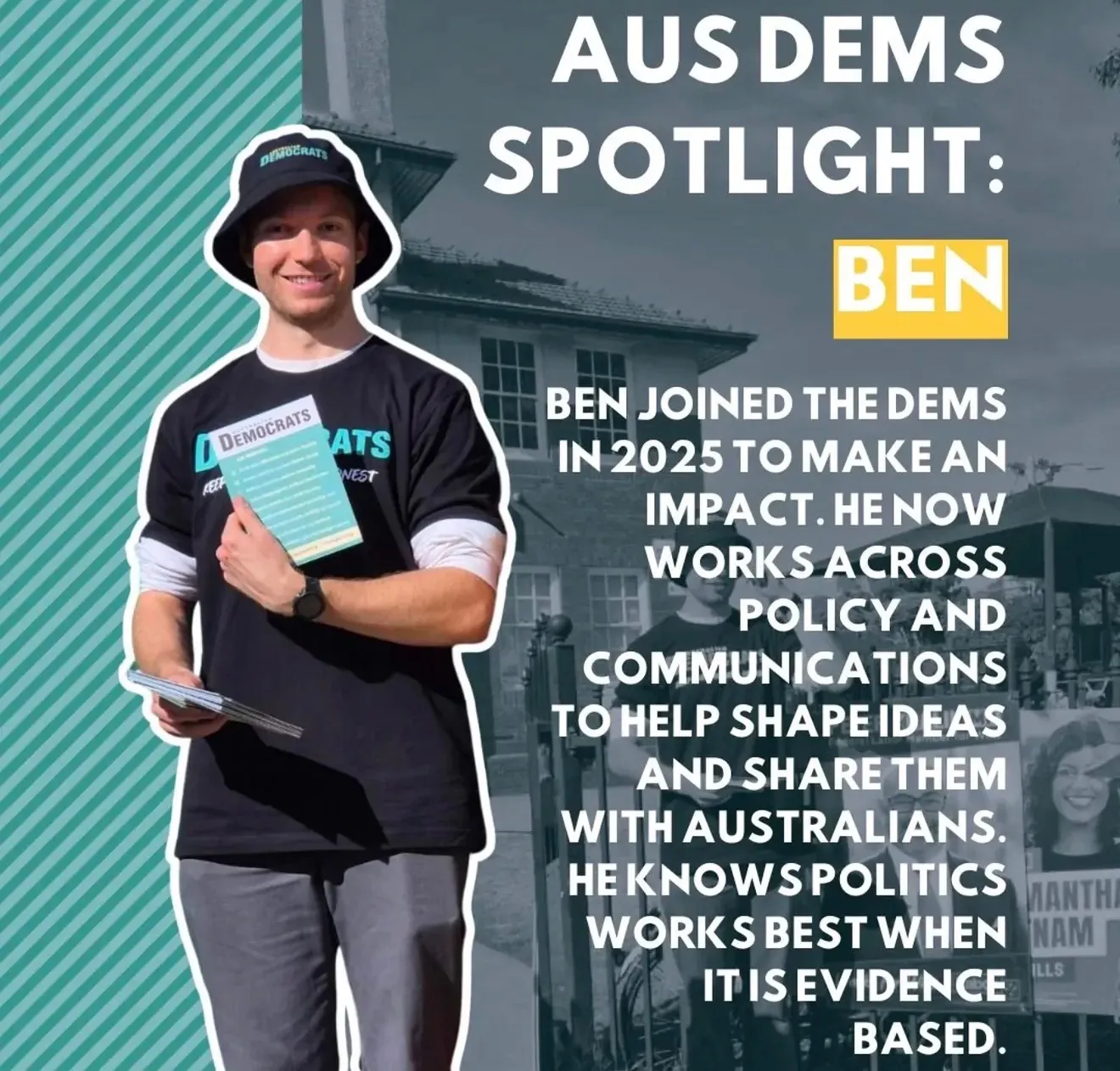 |
| David | Victoria | 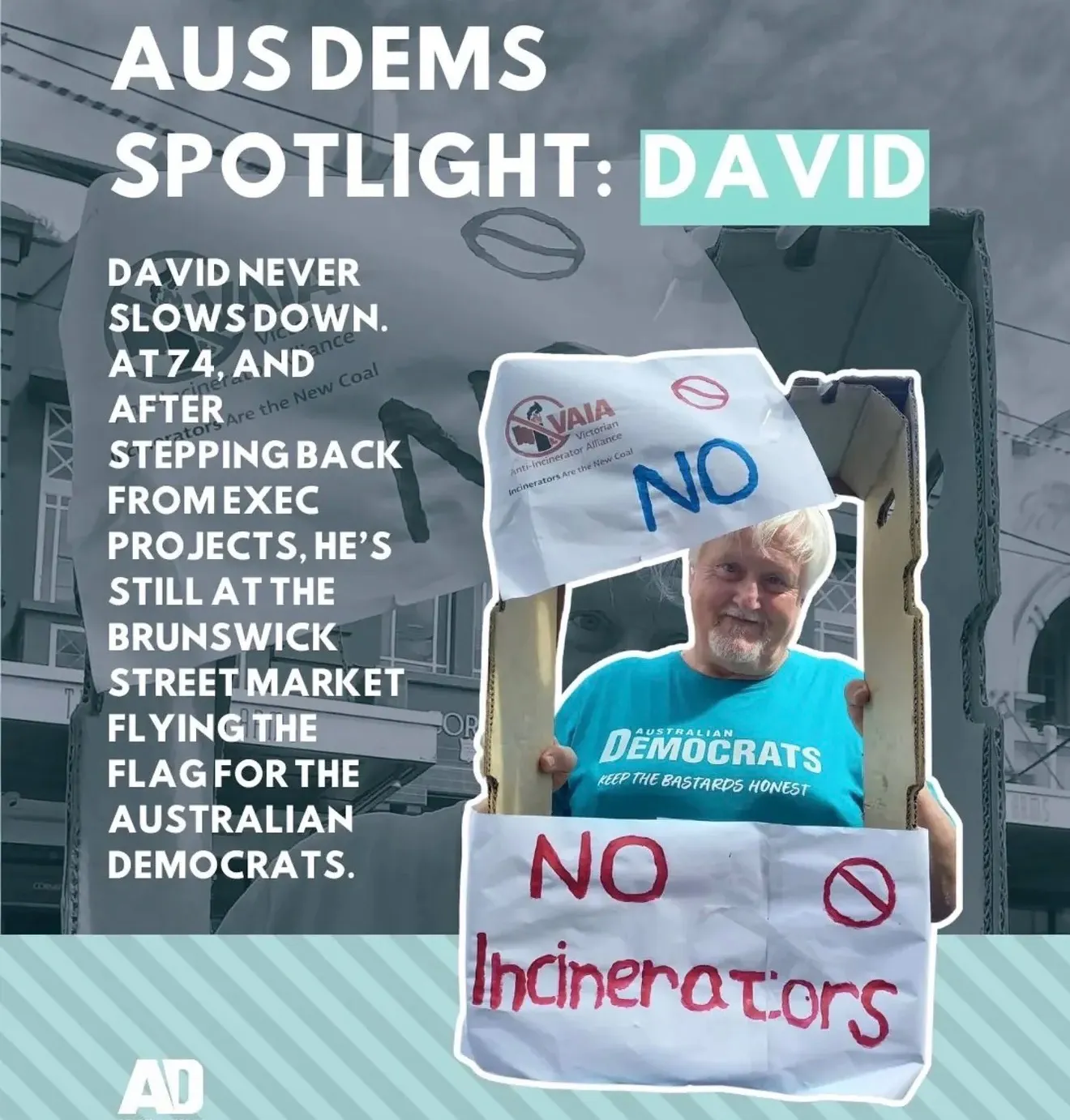 |
Tap any platform to read where the Australian Democrats stand — or sit back and let it play.
| Policy Area | Impact Message | Description | Link | Image |
|---|---|---|---|---|
| Transparency & Accountability | Get dirty money out of politics and hold our leaders to account. Defend the right to know. | Openness, accountability, truth and the public's right to know are essential principles of a functioning democracy. We will push for stronger transparency in political donations, lobbying, and government decision-making, alongside protections for whistleblowers and a free press. | Link | 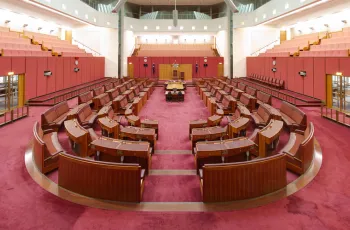 |
| Economy | No tax on personal income up to $45,000 a year, make multinational companies pay their fair share, and target spending where it counts. | Australia's economic and fiscal policies are not fit-for-purpose for the 21st Century. We will push for a tax system that rewards work, captures multinational profits made in Australia, and funds the services Australians rely on. | Link |  |
| Environment & Climate | Bold action on climate, protect our biodiversity, and a clean transition that works for working Australians. | As Australia's original environmental party, we believe action on climate and biodiversity is non-negotiable. The transition must be fast, fair, and ambitious — cutting emissions while protecting the workers and communities most exposed to change. | Link | 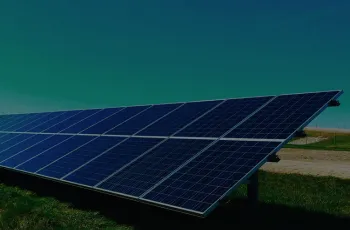 |
| Health & Wellbeing | Universal mental healthcare, dental in Medicare, and end the postcode lottery on quality care. | Healthcare is a right, not a privilege. We will push to expand Medicare to dental, fully fund community mental health, and lift the standard of aged and disability care so every Australian receives the dignity they deserve. | Link |  |
| Rural & Remote Australia | Reliable connectivity, decent services and real investment in the towns and farms that feed and fuel the nation. | Rural and remote Australia is a powerhouse of food, energy, and resources — but too many communities feel left behind. We will push for reliable mobile and broadband, better health and education access, and a fair share of national infrastructure spend. | Link | 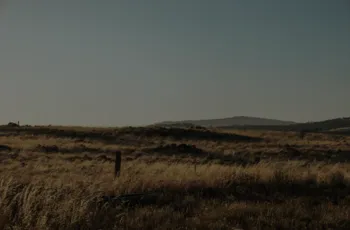 |
| Global Affairs & Defence | An independent foreign policy with Pacific neighbours first, principled trade, and a defence force built to defend Australia. | Our foreign policy must be honest, sovereign, and grounded in the region we live in. We will push for stronger ties across the Pacific, transparent defence procurement, and a credible voice for human rights on the world stage. | Link | 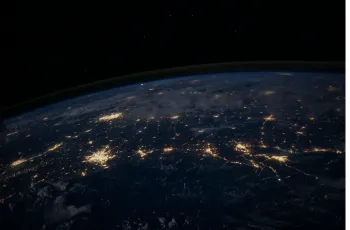 |
| Justice & Equity | A just legal system, full equality and respect under the law. | Equality before the law is the foundation of a fair society. We will push for justice reform, Aboriginal and Torres Strait Islander voice in lawmaking, and stronger protections against discrimination in every form. | Link |  |
| Science & Technology | Back Australian science, treat AI and data with care, and invest in the industries of the future. | Science, research and emerging technology will shape every Australian's future. We will push for predictable research funding, ethical AI and data laws, and an industrial strategy that turns Australian ideas into Australian jobs. | Link |  |
| Education | Free TAFE, properly funded public schools and lifelong learning for the jobs of tomorrow. | Every Australian deserves a great public education and the chance to retrain through life. We will push to fully fund public schools, expand free TAFE, and back universities to do what they do best — research, teaching and ideas. | Link |  |
AusDem Productions Presents....
The Democrat
The Democrat is our online newspaper, and contains all of our articles and written commentary.
Read the DemocratKTBH Podcast
Keep the Bastards Honest (KTBH) is our podcast, featuring members and friends of the party.
Tune in to KTBHAnnouncements
Note, this section is for announcements only. Do not edit the table or other elements. If you are a visitor and you can see this, apologies, we're upgrading our website.
| Active? | Title | Description | Link title (if any) | Image (If any) | Link (Link) |
| No | Upgrades | We are upgrading your AusDem website experience!!! You can still join, donate and read - but some stuff might look a bit funky. |  | ||
| Yes | Victorian State Election | We are gearing up for the Victorian state election but need 1,500 members in Victoria to secure VEC registration. Please join us today and help us contest the upcoming election. | Learn more about our plan for Victoria | 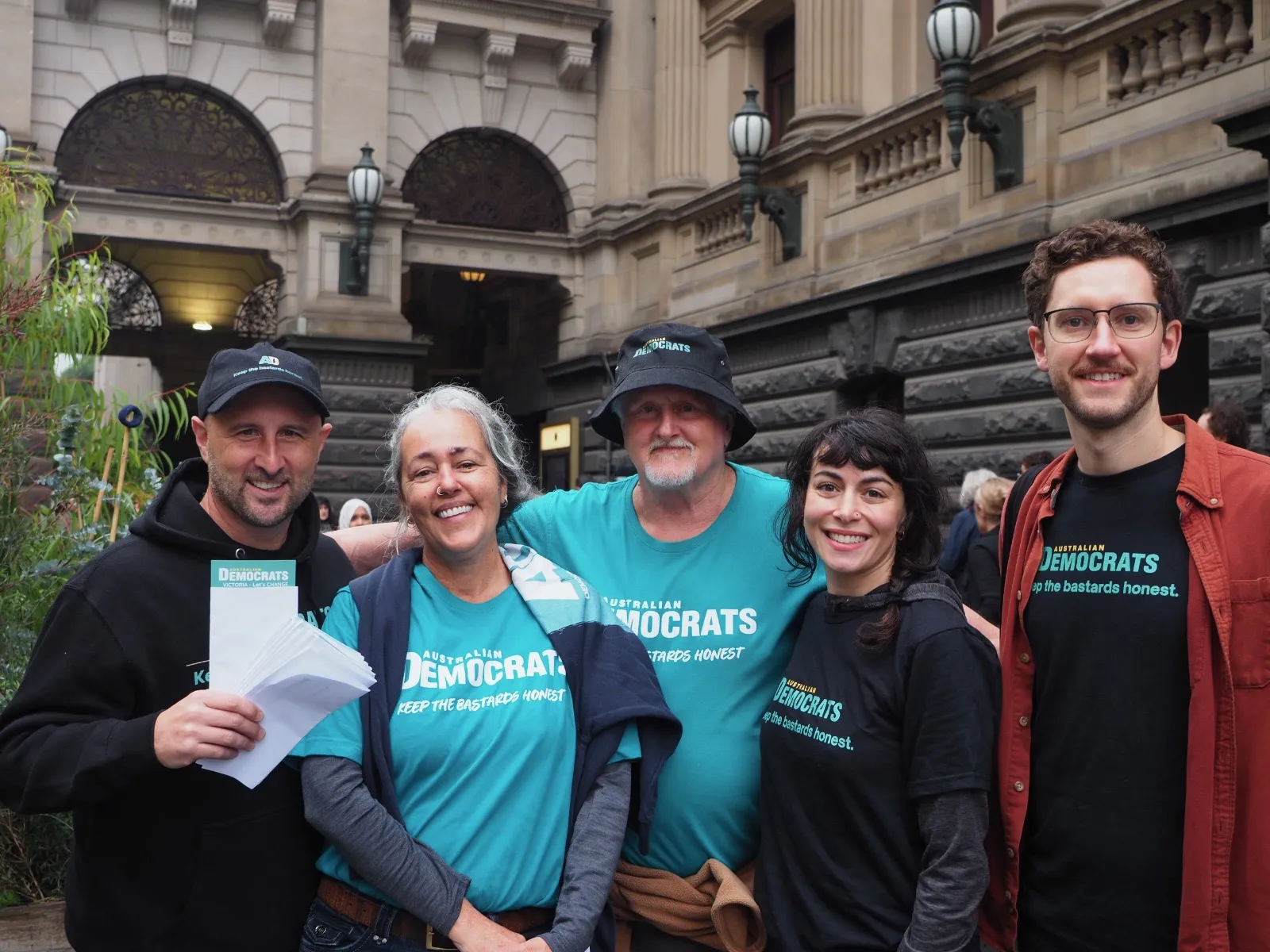 | https://vic.democrats.org.au/ |