

Right to repair
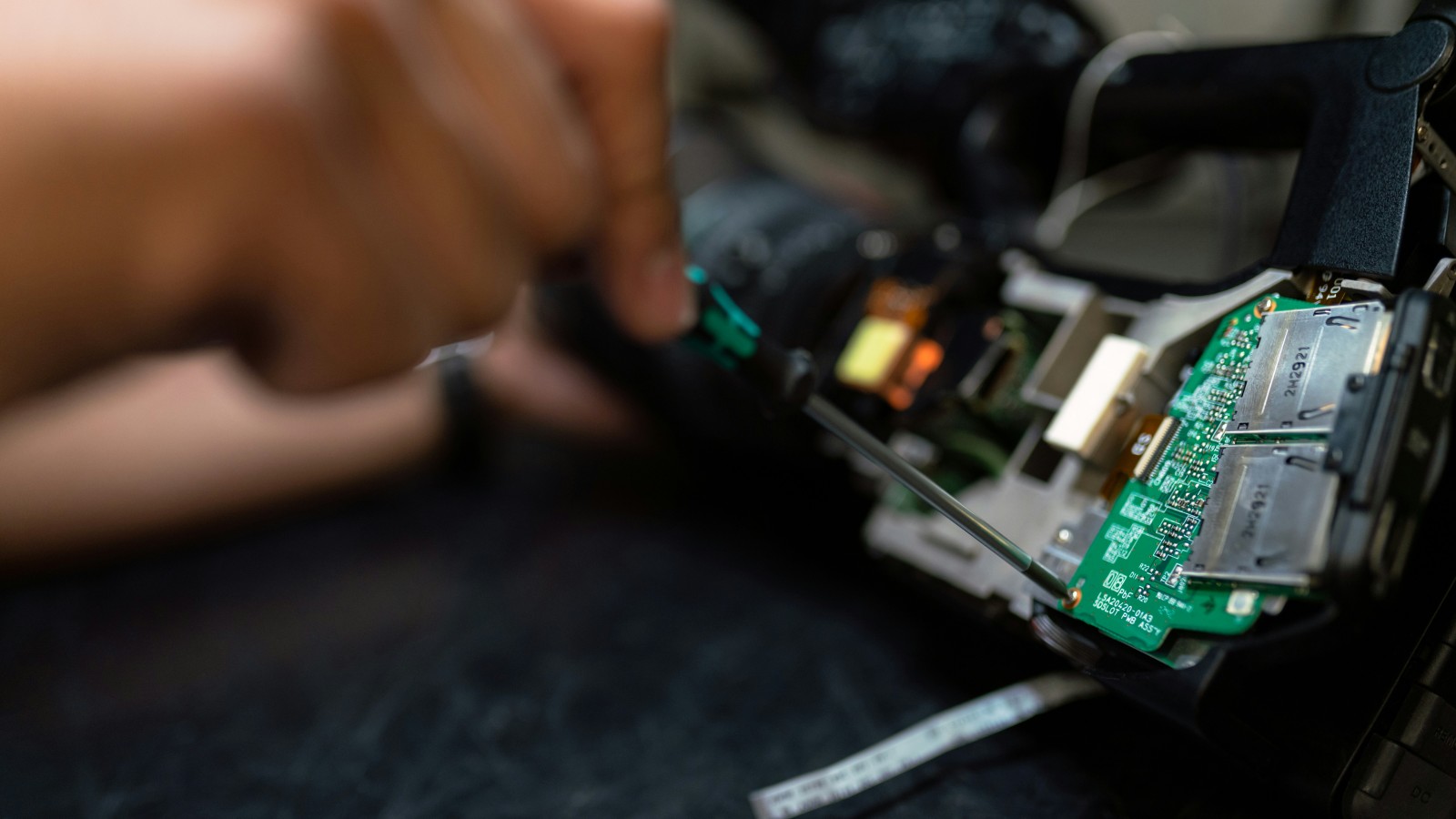
The Issues
We are committed to a repair-friendly Australia that protects consumers, opens up more avenues for repair at a lower cost, and saves local jobs. Our plan will keep the bastards (manufacturers) honest and save you money.
Tactics by manufacturers and big tech, such as software, hardware, legal, and supply constraints, prevent you from being able to repair your device. This reduces options and increases the costs of repair while threatening jobs and polluting our environment.
Right to Repair affects consumer electronics, agriculture, vehicles, medical equipment and more. We support legislation that supporters independent repairers, mechanics and community repair cafes.
Our Plan
Make the Australian Government pass legislation and incentivise regulation to support Right to Repair. This will include:
Our plan will reduce costs and increase repair options
Regulation will promote honest interactions, making consumers better informed of their options. Some manufacturers refuse to conduct motherboard repairs, requiring the whole board to be replaced. Removing constraints to access of parts, will open up other repair options. For example: the replacement of a single chip.
Our plan will reduce the cost of repair because independent repairers will offer the same service for less (a result of competition, resources and consumer choice), forcing the manufacturers to adapt and reduce their prices for repair - a result of a functional and competitive free market. Manufacturers will be prevented from pushing lies on the lies of "you can only repair X with us," which will encourage consumers to look for more affordable alternatives. A strong tribunal which can enforce harsh penalties will incentivise manufacturers to offer a fair and just treatment to their customers, including an acceptable price for repair.
We will strengthen and protect Australian industry, creating jobs
The Australian repair industry employs hundreds of thousands of Australians, however dodgy tactics by manufacturers are placing an important industry at risk.
The productivity commission reflected in its draft report that the consumer electronics industry is declining, attributing anti-competitive tactics by manufactures to the endangerment of 12,00-15,000 Australian jobs. This industry should be growing, especially with the increased use of electronics in society. If we don't act now, we risk losing essential repair industries. This would cause financial pain for consumers, pollute our environment, and pose a national security risk.
Examples of anti-competitive practices that need to be addressed include:
1. Software Locking (Example: Apple Inc. and others.)
A software lock essentially pairs the devices IMEI (international mobile equipment identity) with a serial number of the component that came with it from the factory. If that serial number does not match, the device will display an error which reads "Important Display Message: Unable to Verify this iPhone has a Genuine Apple Display" - which prompts users to visit an Apple Authorised Repairer or Apple for service. This issue will appear regardless of the status of the part installed, it could be a third-party fully compatible part, or genuine original part from another iPhone.
The issue here is not "what part" is installed but "who installs it," and in these circumstances the installer.
2. Component Supply Restrictions (Example: Apple Inc. and others.)
OEM's are increasingly preventing their chip suppliers like Texas Instruments from providing chips like the CD3217, ISL9239 and ISL9240 for the MacBook Pro to independent repair.
These chips are vital to USB-C and Battery charging functions - if a replacement cannot be sourced, a repair cannot occur and the computer won't have power - unless the entire motherboard is replaced.
3. Specialised Software for Repair (Example: John Deere and others.)
Certain OEM's will only provide software which is necessary to repair their devices to their own repair centres, or dealerships and will refuse to offer these to independent repair or consumers. So while an agricultural repair for instance, like replacing a nozzle/sensor can be completed with a compatible component successfully - software constraints prevent functionality if conducted by an independent repairer, which puts those jobs at risk.
Our plan is practical and will work
While Australian consumer law is one of the strongest in the world - we can do better. The European Union is leading the worldwide movement for Right to Repair, and international action demonstrates that there's no reason for no action in Australia. We will not alienate industry or put hurdles in the way of innovation.
However, we understand that reform needs to be practical, which is why we want the following exceptions:
• We understand that it's unreasonable for manufacturers to provide warranty protections for a foreign object, so the warranty would only cover the original components or the cost of the original device.
• In the rare case where an upgrade does cause damage to other components, exceptions apply.
•The minimum standards would only apply to extreme situations, where it is appropriate and to be judged on a case-by-case basis. Almost all devices - including popular phones which are hard to repair would still meet standards. These standards would only apply to devices that are completely unrepairable - with only several cases over the past decade. The main objective of these standards is to prevent product design from devolving to such an extreme state of anti-repair.

Right to Repair reform will protect our environment
"[... lead, mercury, cadmium, arsenic, beryllium, palladium, cobalt, tin, gallium and carcinogenic chemicals such as brominated flame retardants. Now that's a mouthful, and we don't want all those in our environment where they can cause harm to plants, animals and humans, potentially causing cancer." - Adrian Lozancic, speaking at the Productivity Commission's hearings into Right to Repair
Right to repair reform is essential to reduce the amount of e-waste entering our ecosystem and pollution entering our atmosphere. We want to reduce the amount of toxic chemicals entering our waterways and environment, increase the life expectancy of products, and stop them going to landfill. We want to reduce pollution entering waterways and our atmosphere and mitigate the effects of climate change from foreign factories, as we seek local repair solutions instead of new products from overseas.

A repair star rating - five stars for consumer choice
"The best solution to the problem of unrepairable products is the consumer in a free, but regulated market. If we keep the consumer informed, they will be more likely to purchase something they know will last - as opposed to junk which will die after warranty." - Adrian Lozancic, lead Right to Repair campaigner
The strongest potential driver of repairability is power in the hands of consumers and that's why we support a star-rating system for repair.
A star rating system will reward companies that manufacture repairable products with more business and incentivise those who don't want to make changes, empower consumers to help make a more informed decision, incentivise innovation and give consumers freedom of choice.
Image Sources:
Repair: ThisIsEngineering RAEng on Unsplash
Grass: Ochir-Erdene Oyunmedeg
Stars: Glen Carrie