Some thoughts from our National President Leonie Green
I’ve been thinking a lot about the current debate over “monoculture” versus “multiculturalism”.
The more I watch it unfold, the more I find myself thinking we’re arguing about the wrong thing.
It feels like another storm in a teacup. A provocative phrase dominates the headlines, everyone chooses a side, and before long we’re arguing about labels instead of asking the questions that really matter.
That thought struck me while rewatching Drops of God recently. Set across France and Japan, it’s a beautiful reminder that despite our different cultures, languages and histories, we have far more in common than we sometimes remember.
We love the same. We grieve the same. We fear the same. We hope for the same things.
It reminded me of one of my favourite passages from Shakespeare’s The Merchant of Venice:
Hath not a Jew eyes? Hath not a Jew hands, organs, dimensions, senses, affections, passions… If you prick us do we not bleed? If you tickle us do we not laugh? If you poison us do we not die?
More than four hundred years later, those words still challenge us to look beyond labels and recognise our common humanity.
They also reminded me of Madeleine Albright’s observation that perhaps the two most dangerous words in the human vocabulary are “us” and “them.”
Perhaps that’s because once we begin dividing the world into those two camps, curiosity gives way to suspicion, neighbours become strangers, and difference becomes something to fear rather than something to understand.
So perhaps we’re asking the wrong question. The question isn’t whether Australia should be “monocultural” or “multicultural”. The real question is much simpler.
What kind of Australia are we trying to build?
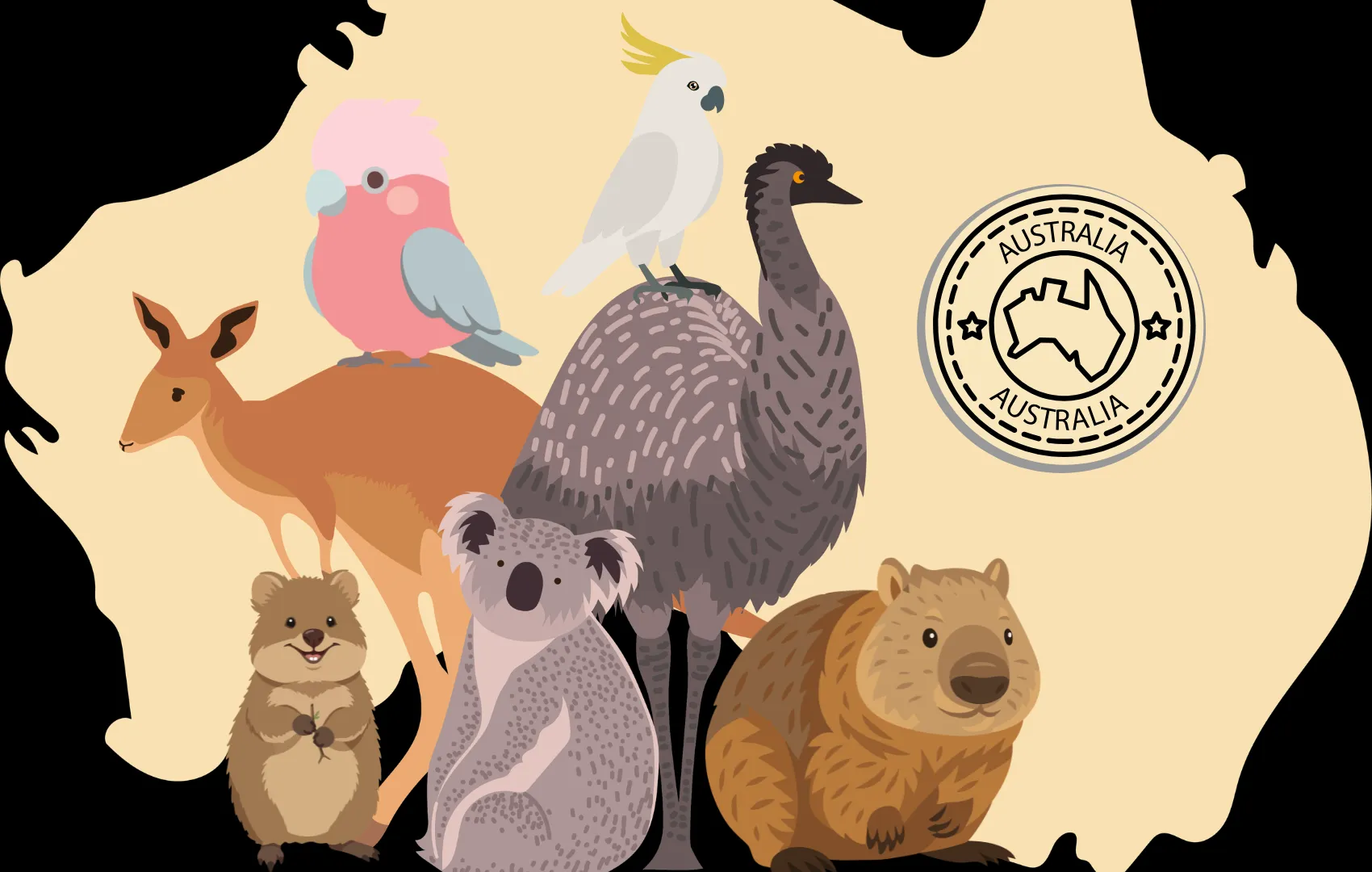
Australia has never been a country defined by sameness.
Long before Federation, this continent was home to hundreds of First Nations languages and cultures.
Today, it remains a country of extraordinary contrasts.
A wide brown land. A sunburnt country. A land of droughts and flooding rains. Of beaches and deserts. Bustling cities and tiny country towns. People whose families have lived here for tens of thousands of years. People whose families arrived generations ago. People who arrived only yesterday, hoping to build a better life.
Difference isn’t something Australia has to overcome. Difference is woven into the Australian story.
Our challenge has never been to eliminate difference. Our challenge has always been to find what binds us together.
For me, that isn’t ethnicity. It isn’t religion. It isn’t where our parents were born. It’s our shared commitment to the values that allow a free and diverse society to flourish.
Democracy. Freedom. The rule of law. Fairness. Respect. Equality. Compassion. Looking out for one another.
These are not abstract ideals. They’re the civic values that underpin Australian democracy and that we ask new citizens to embrace - not because we expect everyone to become the same, but because shared values make diversity possible.
People don’t have to look the same, worship the same, vote the same or come from the same place to belong in Australia. However, we all have a responsibility to uphold the values that allow people from many different backgrounds to build one community.
Maybe I’m a hopeless optimist. I’m okay with that. But I’d like to think my optimism is grounded in realism.
I’ve spent much of my working life helping people navigate conflict and difficult conversations. If there’s one thing I’ve learnt, it’s that most people have far more in common than they first realise.
I still believe Australia’s greatest strength isn’t that we all share the same background. It’s that, across all our differences, we can choose to share the same future: a future founded on giving one another a fair go and supporting one another to do so.
Perhaps that’s what mateship has always meant.
Not that we’re all the same.
But that, despite our differences, we’ll stand alongside one another when it matters most.
To me, that’s the conversation worth having. Not what makes us all the same, but what binds us together. The values that make Australia a country people from every corner of the world hope to call home.
How lucky we are that it is our home. Let’s work on making it better, for all of us lucky enough to live here.
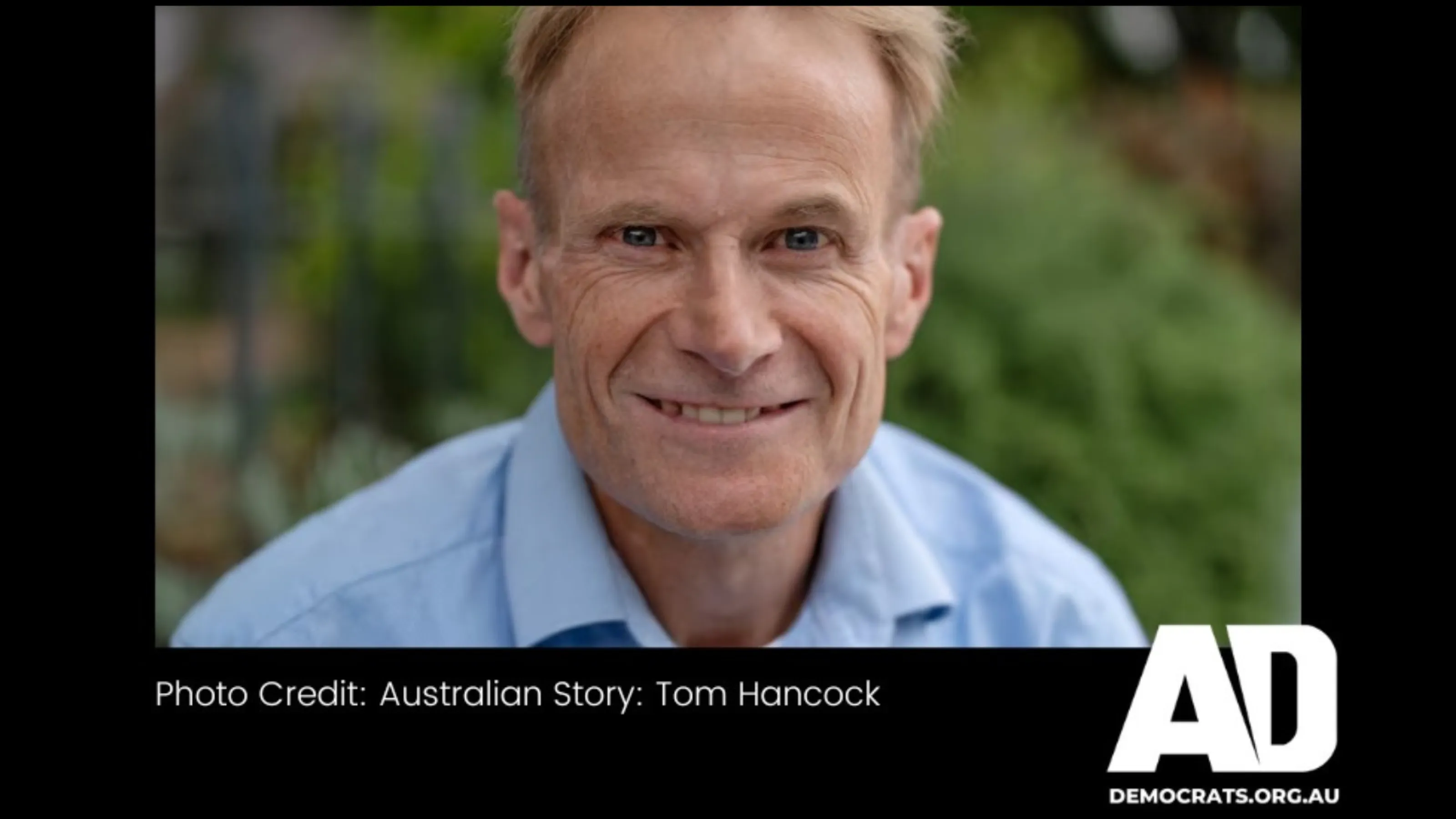
Leonie Green
National President
Australian Democrats