
2022 Platform: Refugees and Asylum Seekers Plan
Please note that this is the ‘Refugees and Asylum Seekers Plan’ platform we took to the 2022 Election. Please refer to our current platform for our plans for the upcoming election.
No one wants to return to the days of asylum seekers taking high risks in coming to Australia by boat, however, seeking asylum for protection from persecution is legal under the 1951 Refugee Convention, to which Australia is a signatory.
Coalition and Labor governments have nonetheless adopted boat turnbacks, offshore processing, coercion, naval Operation Sovereign Borders, secrecy over ‘on-water matters’, and long periods of detention here and in Nauru and PNG. The Coalition has even been reluctant to accept offers from other countries for resettlement and routinely called asylum seekers ‘unlawful non-citizens’’ – a wrong and nasty descriptor designed to turn people against refugees.
Australia’s treatment of people seeking asylum is a national shame. Indefinitely locking people up has a devastating impact on their mental and physical health and is tearing families apart.
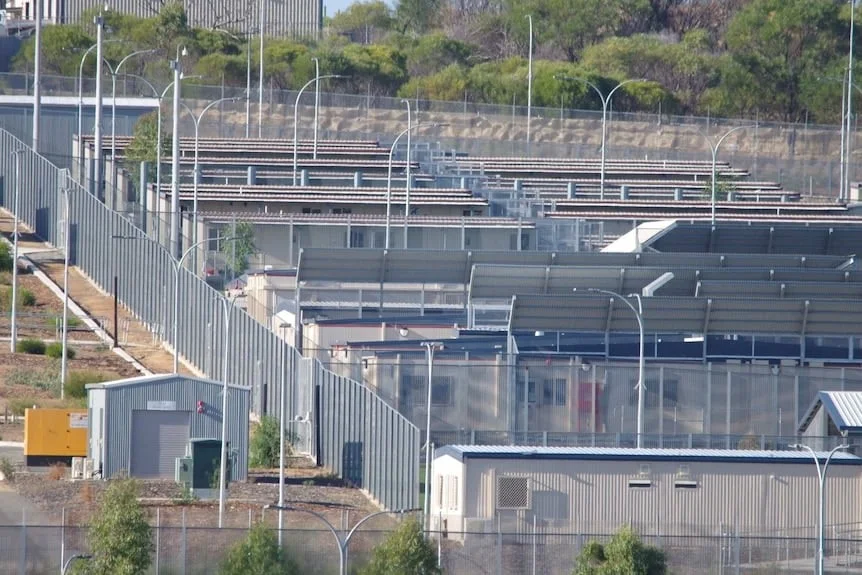
Photo: ABC
As a responsible nation, we should take a long-term, cooperative, transparent approach and work with neighbours, the High Commissioner for Refugees and the International Organisation for Migration to deliver fairer outcomes for refugees.
International law
Australia is arguably in contravention of the UN Refugee Convention which obliges countries to not expel refugees or return them to places where they would face persecution, either in the refugee’s country or a third country. The Convention also prohibits imposing penalties based on the refugee’s mode of arrival which Australia has certainly done in favouring arrivals by air. Under Article 31 of the Convention, signatories countries cannot punish refugees for entering or living without permission. They must not unnecessarily restrict their freedom of movement.
In 2014, the High Court of Australia narrowly held that turning back boats was permitted under Australian law. Importantly, the judges in that case did not examine the legality of turnbacks under international law.
Under international law, Australia has no right to intercept and turn back boats on the high seas (seas not part of any country’s jurisdiction) without the consent of the country in which the boat is registered. While Australia is permitted to ‘exercise the control necessary’ to prevent infringement of its immigration laws within its waters, that right is limited by Australia’s obligations under international refugee and human rights law.Australia has international obligations to assist those in distress at sea and to protect asylum seekers from refoulement (return to countries where they face a risk of persecution and other serious harms). If Australia turns back boats that are unseaworthy, or returns people to harm, it will be in breach of international law. UN representatives have found Australia to be in breach of these and other international obligations.
The Kaldor Centre , UNSW
Mandatory detention, offshore detention
The mandatory detention of refugees by Australian governments is arbitrary and many refugees have been held in closed detention for up to 9 years, so far. The length of time in immigration detention is far higher in Australia than in comparable jurisdictions. For Canada it is an average of 12.3 days. Detention is cruel in the extreme with very serious health consequences including death and life-long trauma.
Offshore processing has cost over $1 billion each year since 2013 and caused untold misery and humiliation for asylum seekers. Refugee status determination processing has been inadequate with lengthy delays and lack of judicial review.
Of the 3,127 people who were transferred to either Papua New Guinea or Nauru since July 2013, 1,384 people remain in limbo as of April 2022 – 112 in Nauru, 104 in PNG and 1,168 in Australia. Most people in Australia are on temporary visas, while some remain in community or closed detention. The policy of keeping refugees and people seeking asylum on Nauru and PNG has had devastating impacts on those subject to it.
The Refugee Council of Australia
Chart: Refugee Council of Australia Source: Department of Home Affairs, Detention and Community Statistics Summary
Doing our fair share
Tackling extreme poverty with funding for:
- Education for children
- Clean water and sanitation
- Basic healthcare
- Contraception for all who need it
- Empowerment of women and girls
- Better childhood nutrition
- Support for environmental programs
- Reaching children in conflict
- Preventing child marriage
- Peace initiatives
Inhumane treatment
Around 1200 men, women and children were forcibly transferred to Nauru – a tiny impoverished island – and suffered severe abuse, assaults, unnecessary delays in medical attention and neglect. Many have severe mental health problems and suffer overwhelming despair, self-harm and suicide attempts, according to Human Rights Watch.
Few other countries go to such lengths to deliberately inflict suffering on people seeking safety and freedom
Asylum seekers were initially held in tents in this hot climate. They were frequently searched and items confiscated, toilets were filthy.
In 2020 the Coalition Government attempted to ban mobile phones from detention centres but this was rejected by the Senate.
During covid lockdowns onshore detention centers were at or above capacity making distancing impossible and exposure to the virus inevitable. Some asylum seekers have been held in isolation in hotel rooms for two years during Covid lockdowns with no access to fresh air and little contact with others.
Young children have been arbitrarily held in detention. The standards of living in detention centres are poor and children and families are accommodated in tiny rooms and must share facilities with, in some case former criminals.
It is mandatory for a person’s visa to be cancelled if they are found to have a criminal record and they may be removed or detained for an indefinite period and make up about half of the total detention population.
In early April 2022 the Government quietly released 26 refugees from onshore detention around the country leaving 6 people who had been transferred from offshore detention for medical treatment, still in detention for no apparent reason.
Photo: Australian Human Rights Commission, Curtin Detention Centre